PVC food stretch film
About PVC food stretch film
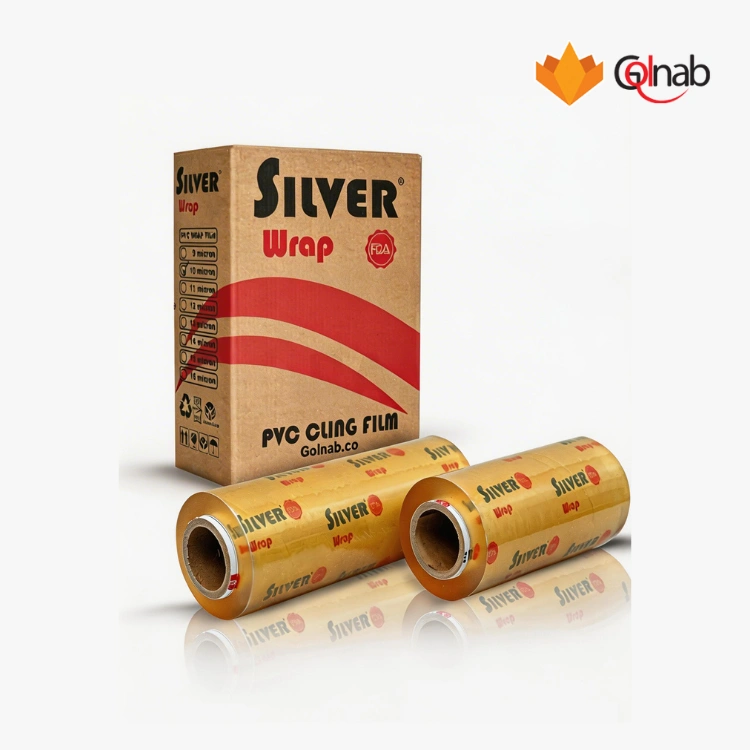
Golnab PVC-based food stretch film, known as food protector and food cellophane, has become an integral part of food packaging due to its unique features.
Features such as high adhesion, elasticity, transparency, vapor resistance and odorlessness facilitate and accelerate the packaging process and provide high durability and beauty to packaged products.
The main ingredient of this product is mostly PVC, or polyvinyl chloride, which is a polymer material with a very special structure. Due to this unique structure, it is an excellent acceptor for mixing with other chemical additives to improve physical and mechanical properties. This makes it a product with unique features by adding materials such as stabilizers, lubricants, softeners, anti-steam, etc. that can be a constant companion for some industries and businesses. By enhancing the value of packaging and packaged products, it leads to business development and increased sales. Due to these features, it plays a very important role in the supply chain, especially the food industry and trade. Food stretch film is produced in widths of 15 to 50 centimeters, thicknesses of 8 to 16 microns, and areas of 10 to 5000 meters. Small areas are used for household use, and large areas are used for large and small industries and businesses.
High transparency and clarity
The extraordinary transparency of food cellophane has an interesting secret. In this type of plastic, there is no regular crystalline structure, but the molecules are arranged irregularly and scattered together. This random arrangement allows light to pass through with minimal scattering, contributing to its transparency. In addition, the smooth and polished surface of the cellophane contributes to its transparent appearance. The thinness of this plastic coating also contributes to the reason and shortens the path of light, minimizing the possibility of light absorption or refraction and maximizing transparency.
But another reason for the transparency of food cellophane is its anti-vapor property. Water vapor, which usually collects in the form of tiny droplets on surfaces, is spread in this type of polymer film as a thin and transparent layer. Since water in the thin layer does not significantly scatter light, the formation of “fog” and opalescence of the cellophane is prevented and its transparency is maintained. In short, the absence of a crystalline structure, smooth surface, thinness, and vapor-proof properties are factors that work together to create the remarkable transparency of food cellophane.
Very thin thickness
Food stretch films (PVC food stretch films) with ultra-thin thicknesses between 8 and 18 microns are a masterpiece of innovation and engineering. Despite their thinness, these delicate polymer films have excellent tensile strength and exemplary flexibility, making them ideal for packaging and protecting food.
In the production process of these cellophanes, new methods are used that allow the formation of thin and uniform layers while maintaining the desired strength and properties. The selection of high-quality raw materials is another factor that plays a fundamental role in improving the performance of these cellophanes. The use of high-quality granules and special additives gives these cellophanes the flexibility and strength necessary to withstand tension and environmental stresses (without tearing), despite their very low thickness.
Anti-fog
A problem that many businesses have with conventional cellophane is the formation of steam and subsequent fogging of the surface. This not only makes the packaging look unsightly, but can also impair the visibility of the contents inside. Fortunately, Silver Food Cellophane offers an innovative solution to this problem.
The secret to the anti-fog properties of these cellophanes lies in special additives that are added to them during the manufacturing process. These additives gradually migrate to the surface of the film and interact with water molecules.
The effect of this interaction is to reduce the surface tension of the food cellophane film. This means that instead of collecting in the form of large droplets, the vapors spread out on the surface in a thin, transparent layer. Since water in a thin layer does not significantly scatter light, fogging and opacification of the cellophane are prevented and its transparency is maintained.
In short, anti-fog cellophanes, by using anti-fog additives, prevent the formation of visible vapor and water droplets on the surface, maintaining the clarity and transparency of the packaging for a longer period of time.
Elasticity
Food stretch wrap (PVC food stretch film) is known as an ideal tool for packaging and protecting food due to its extraordinary elasticity and flexibility. But what is the reason for this elasticity?
The answer lies in the molecular structure and special additives of this type of cellophane. Polyvinyl chloride molecules form long chains that easily slide over each other, which gives cellophane its high flexibility.
In addition, the amorphous structure of PVC molecules means that they are randomly arranged together, and this irregular arrangement allows cellophane to be easily stretched. Finally, the use of plasticizers in the cellophane production process plays a key role in increasing its flexibility and stretchability. By penetrating between molecular chains, plasticizers reduce friction between them and facilitate their sliding, which gives food stretch film high tensile strength and flexibility, making it an ideal option for packaging and protecting a variety of foods.
Adhesion
One of the most prominent features of PVC food cellophane (PVC food stretch wrap) is their excellent adhesion. This property allows them to adhere firmly to various surfaces and effectively protect food from external factors.
PVC food stretch films are usually produced with a very smooth surface that allows for close contact between the film and the surface to which it is adhered. This maximizes the contact area and the number of intermolecular forces exerted between them; in addition, the polyvinyl chloride molecular chains exhibit some self-adhesion due to intermolecular forces and hydrogen bonding within the film itself, and this self-adhesion contributes to the film’s ability to adhere to itself, the packaging container, and the product when wrapped around an object. Plasticizers and lubricants used in the manufacturing process; by increasing the flexibility and adaptability of the film, allow this polymer coating to perform the molding action, or that is, to surround the product or packaging container well and conform to the surface on which it is pressed, potentially improving contact and adhesion.
Impermeable barrier of food stretch against oxygen and moisture
One of the most important functions of various coatings in food packaging is to maintain their freshness and quality for a longer period of time. PVC food cellophane (PVC food stretch wrap) effectively fulfills this function by creating an impermeable barrier against oxygen and moisture, which are the main factors of spoilage of packaged food.
Heat resistance
PVC food wraps can withstand a moderate range of temperatures and are suitable for use in the refrigerator and freezer. However, it is important to note that they should not be used in the microwave due to potential health concerns.
Increased durability
The cellophane adhesive prevents air from entering the packaging by creating an impermeable environment and by reducing the factors that contribute to the life of microorganisms, it helps to increase the shelf life of the food contents inside the containers and prevents them from spoiling prematurely. The anti-vapor property, which is one of the important features of PVC food stretch wraps, provides several advantages for this type of coating. Considering that one of the causes of premature spoilage and darkening and the loss of the natural color of foods, especially meat and mushrooms, is the combination of these materials with water inside the packaging, this feature, by preventing the formation of water droplets, preserves the freshness and freshness of foods and their natural color, prevents their premature spoilage and increases their shelf life.
Suitable for all types of containers
Due to its high adhesion, excellent elasticity, and great adaptability, food stretch films are easily stretched around any product and completely cover it, making them suitable for packaging a variety of containers of various sizes and shapes, including plastic, metal, glass, and cardboard containers.
Maintaining content quality
Inside the packaging, the adhesion and elasticity of the cellophane is such that it creates a strong bond between the cellophane and the container, and it adheres completely to the surface of the packaging container, preventing it from separating or tearing, as well as preventing the contents of the container from leaking or spilling during transportation or handling.
The beauty of packaging, unparalleled transparency, limitless clarity
The high elasticity and adhesion of this product prevent the surface of the stretch film from wrinkled, and due to the inherent transparency of this type of film, the product inside is clearly visible, increasing the visual appeal of the packaging and helping to gain customer trust.
Marketing and sales assistance
The high transparency of PVC stretch wraps provides a clear visual effect and product introduction, and by enabling consumers to make informed choices and increasing customer trust, it creates differentiation among existing brands and helps increase sales.
Cost savings
The high elasticity and very low thickness of this type of stretch wrap allows you to use a smaller amount of stretch wrap to package each product, and along with easy adhesion and cutting, it enables faster packaging and saves time. This feature is especially important for perishable goods that must be delivered fresh to the consumer, as the speed of production to delivery can meet these goals.
A step towards boosting your business
Reducing costs, ease and speed of packaging are some of the significant advantages of PVC food stretch films that help businesses thrive, especially small food production and supply units. These types of stretch films, with their high adhesion, excellent flexibility and significant stretchability, and easy cutting, significantly increase the speed and convenience of packaging and help businesses save time and money. The aforementioned advantages have made this type of polymer film an ideal option for small food production and supply businesses.
PVC stretch film in various sizes
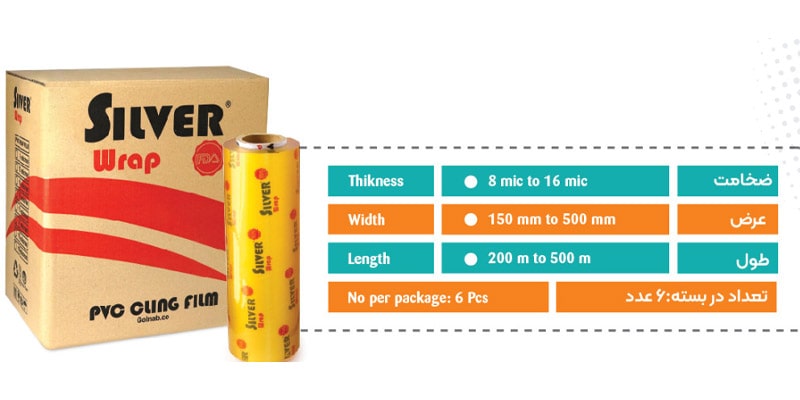
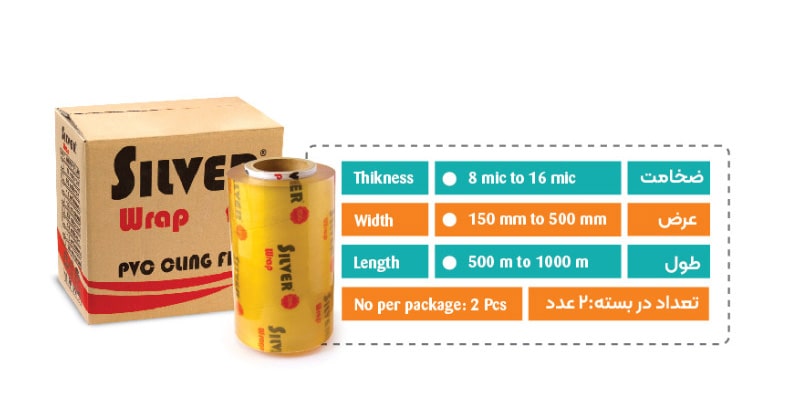
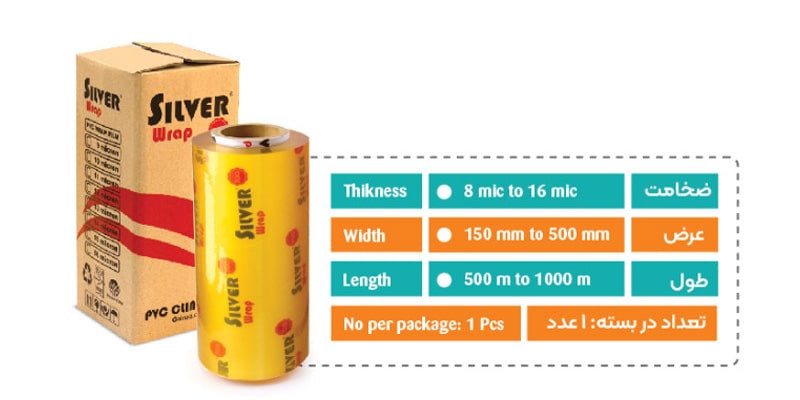
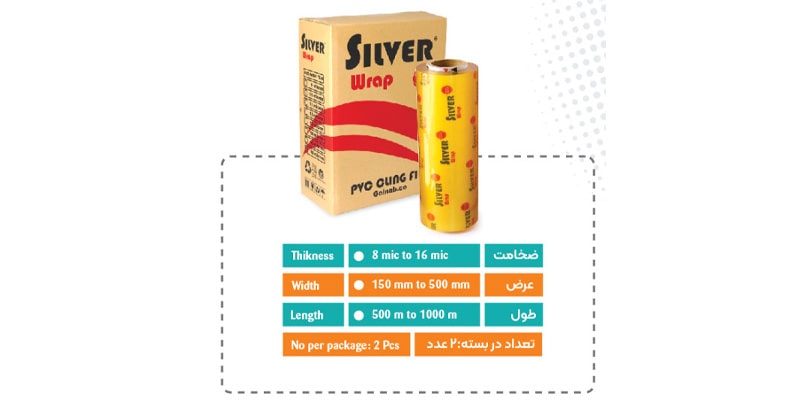
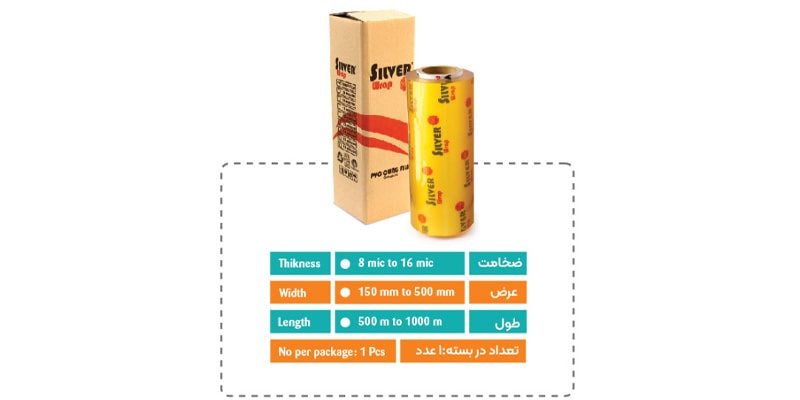
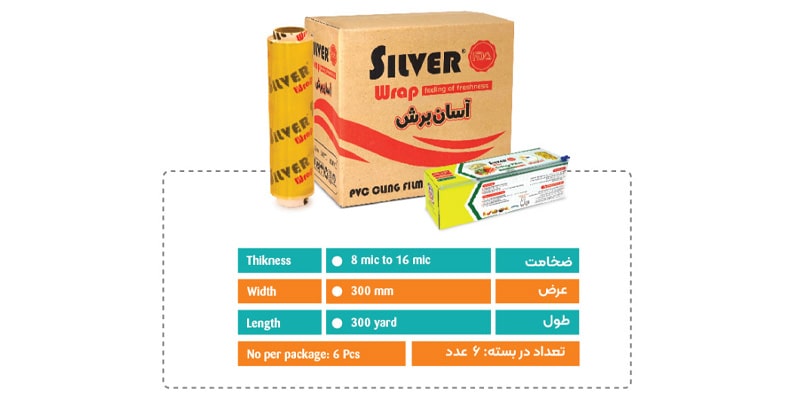
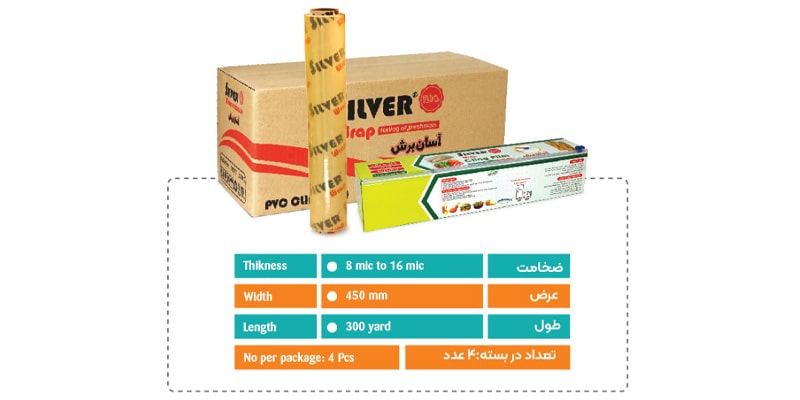
Wholesale sales of shrink and stretch films
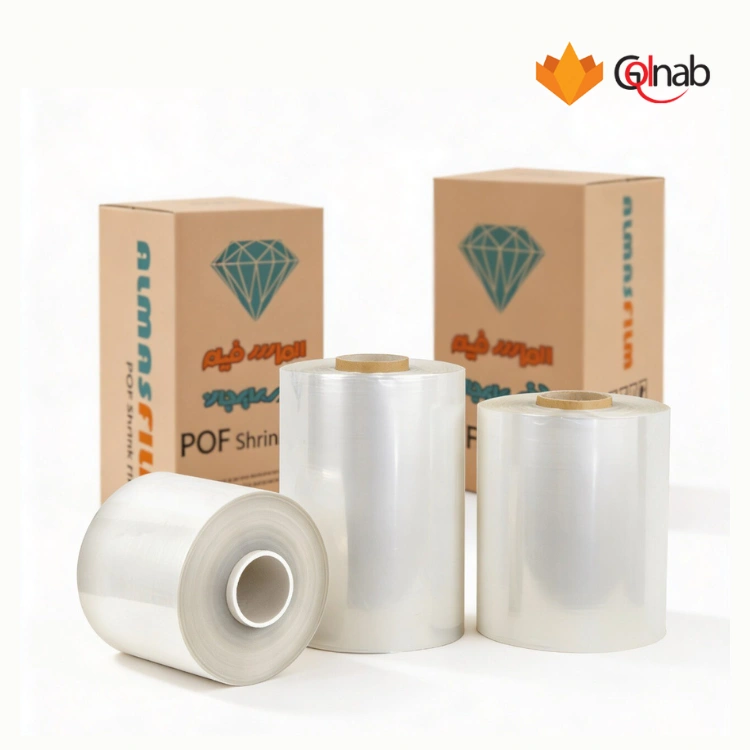
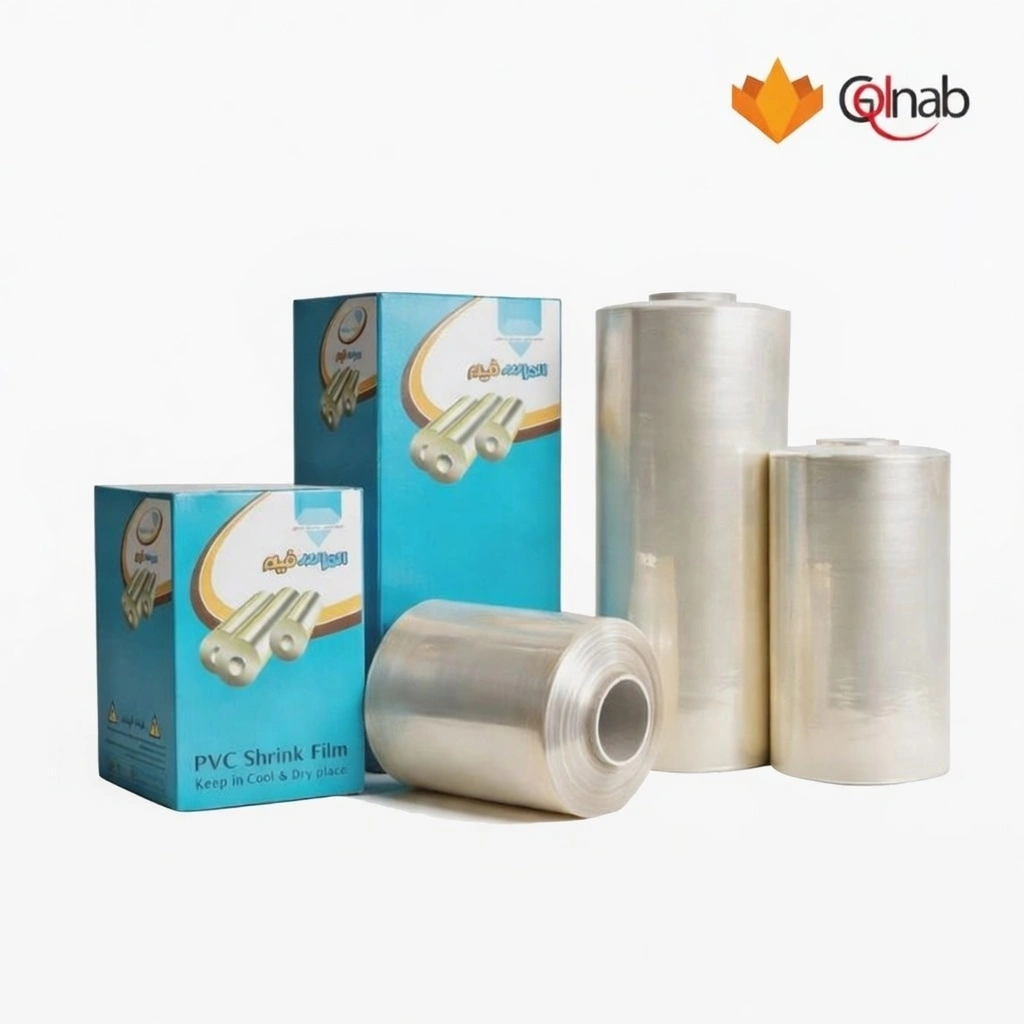
Golnab is the first manufacturer of PVC and POF shrink films in Iran.
Classification of PVC stretch films
PVC-based food stretch film or PVC cling film, which is produced with the relevant equipment and machinery by the casting method, and Golnab Urmia Company is the pioneer in producing this type of production method in Iran.
Balloon food stretch film or PVC blown stretch film is also based on polyvinyl chloride, and its difference from the first type is that it is two-layered, which is later separated in the packaging process and wrapped in a single layer around paper bobbins. And still, and with pride; Golnab Urmia Company is the pioneer of this type of production method in Iran, which has recently started producing this type of polymer film.
Industrial stretch film (PE) or as it is known in the market, pallet stretch film, is produced from polyethylene raw material and is mostly used for industrial packaging and pallets. Due to its high thickness, opacity, and unhygienic and food-safe ingredients, it is not suitable for food packaging. However, due to its greater thickness, it has greater elasticity and resistance than PVC stretch films.
How to wrap with food stretch wrap
In industrial and slaughterhouse applications, this is usually done with automatic machines.
In workshops and stores, packaging is usually done using a simple machine that cuts with a blade or element.
In homes, it is done manually, and if they have purchased easy-to-cut silver rolls; given that the boxes of these cellophanes are equipped with plastic blades; they can easily cut them to the desired size and wrap their containers with cellophane.
Golnab Company and Silver Brand
Golnab Company is the first manufacturer of PVC-based food cellophane, which has been producing using cast technology since 2017, and has recently added this type of product to its product portfolio by purchasing and launching a new PVC balloon food stretch line.
Commitment to quality at Golnab Urmia Company
Our goal at Golnab Urmia Company is to provide the best quality to our customers. For this reason, in all stages of production, we use high-quality raw materials that are sourced from the most reputable petrochemicals and domestic and foreign companies and are food-based.